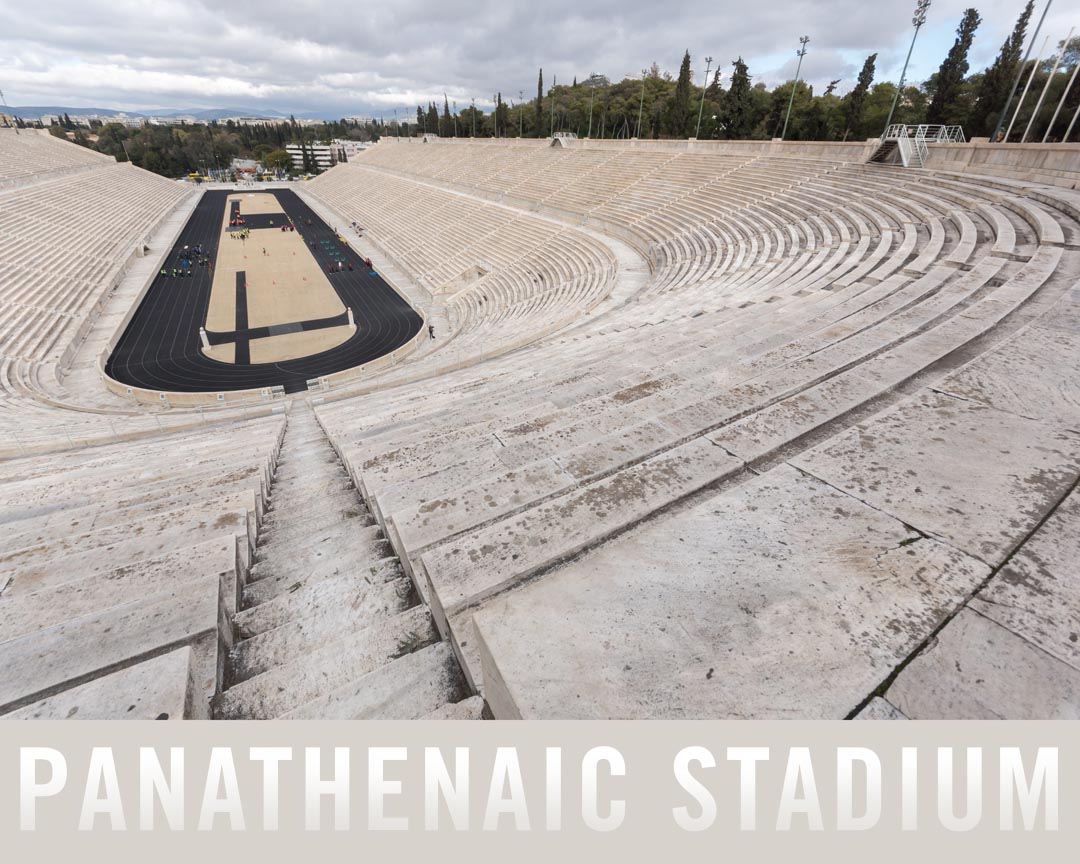
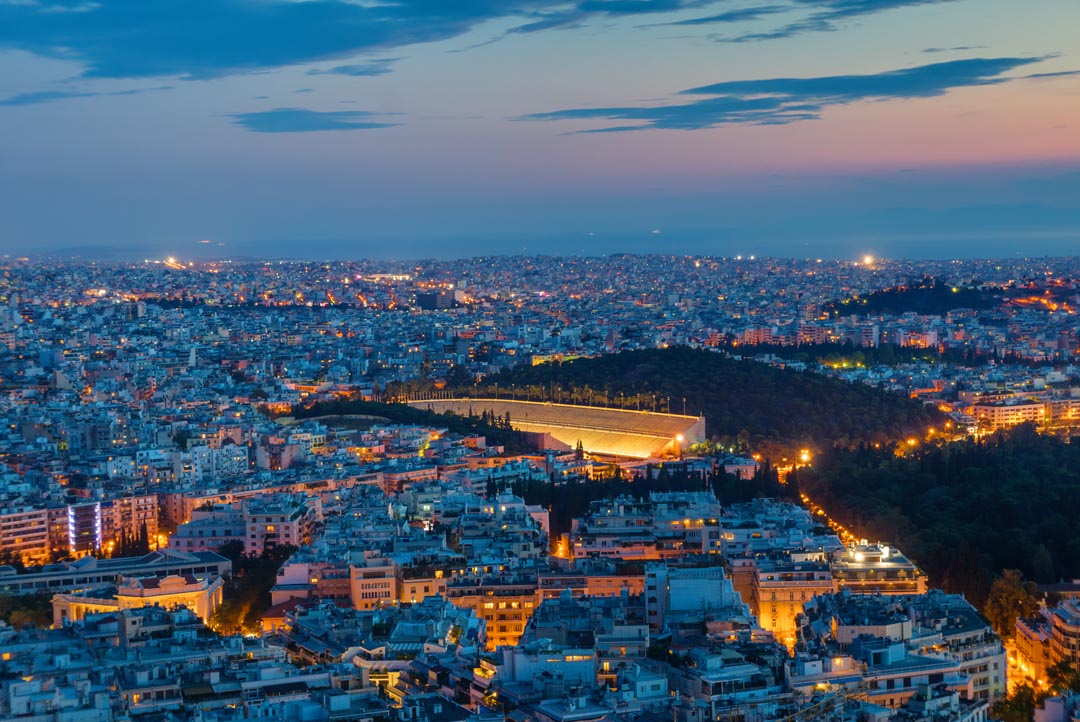
The Panathenaic Stadium in Athens Greece
Το Παναθηναϊκό Στάδιο στην Αθήνα, Ελλάδα
The Olympic Stadium in Athens, Greece, known as the Panathenaic Stadium or Kallimarmaro*, was originally built approximately 300 BC, rebuilt and expanded over the centuries, then rebuilt especially in 1896 for the first modern Olympic Games.
Some Key Facts about the Panathenaic Stadium:
Built originally built in 330 BC by the Athenian statesman Lykourgos** for the Panathenaic Games.
Changes under Rome: The stadium was rebuilt in marble by the Roman senator Herodes Atticus in 144 AD, which is why it is sometimes referred to as the Kallimarmaro, meaning "beautifully marbled."
Reconstruction for the Modern Olympics: The stadium was in disuse and ruin from the ravages of the centuries, but in the late 1800s it was excavated and refurbished by the Greek architect Anastasios Metaxas and financed by the Greek benefactor George Averoff. The reconstruction was specially completed for the 1896 Summer Olympics, the first modern Olympic Games.
1896 Summer Olympics: Being the main venue for the 1896 Games, the Panathenaic was the location for the opening and closing ceremonies as well as athletic events. Seating capacity was for 80,000 spectators .
Design and Structure: Being made entirely of Pentelic marble the Panathenaic is a unique structure. U-shaped, which was typical of ancient Greek stadiums, and the dimensions of the track are out of the ordinary because they are more narrow and longer than modern tracks.
Modern Usage: A popular tourist destination and is used for ceremonial events, including the hand over of the Olympic flame to host nations of the Olympic Games.
The Panathenaic Stadium is a symbol of the union of the ancient and modern athletic tradition and is one of the few stadiums in the world built entirely of marble.
Footnotes
*"Kallimarmaro" (Καλλιμάρμαρο) literally means "beautifully marbled" or "made of beautiful marble" in Greek. The word is derived from two Greek words: "κάλλος" (kallos) meaning "beauty" and "μάρμαρο" (marmaro) meaning "marble." This name reflects the stadium's construction entirely from white Pentelic marble.
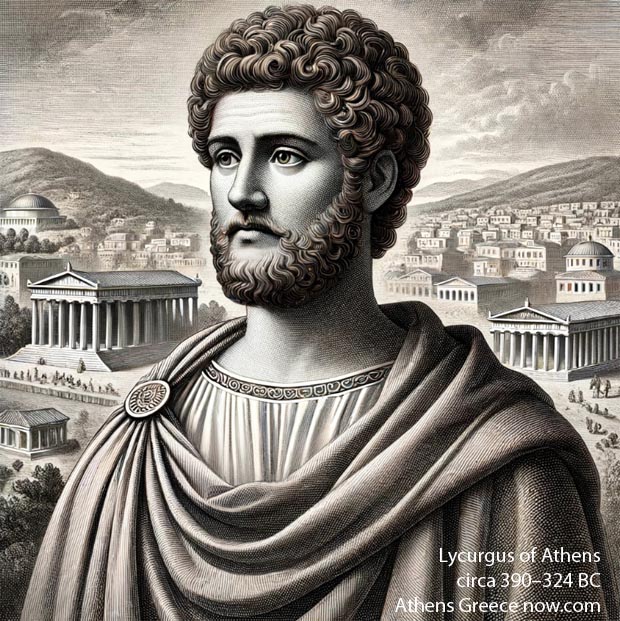
**Lycurgus of Athens: Iinfluential statesman, financial administrator and orator in Athens during the 4th century BC (circa 390–324 BC). More about Lycurgus
More Greek History

Greece's Golden Visa program
Advertisement: I am an Amazon affiliate
Fodor's Essential Greece: with the Best of the Islands (Full-color Travel Guide) – Amazon
- Illustrated experiences guide to the top things to see and do
- Multiple itineraries to help organize your days
- 40+ detailed maps for easy navigation
- Color photos throughout
- Local recommendations for sights, dining, hotels, nightlife, shopping, and activities
- “Best of” features covering beaches, food and drink, and more
- Trip-planning tips on when to go, getting around, avoiding crowds, and saving money
- Historical and cultural insights into Greek people, art, architecture, and cuisine
- Special features on the Acropolis, Greek gods and heroes, Greek history, Meteora, and more
- Local writers highlighting lesser-known places
- Greek-language primer with useful words and phrases
- Up-to-date coverage of Athens, Santorini, Mykonos, Crete, Corfu, Rhodes, the Aegean, Sporades and Saronic islands, Delphi, Central Macedonia, Meteora, and the Peloponnese
- 800 Pages